
Main types of pallet racking systems and the advice when choosing plastic pallets for pallet racking systems
Main types of pallet racking systems
Catherine Ji
3/13/20253 min read
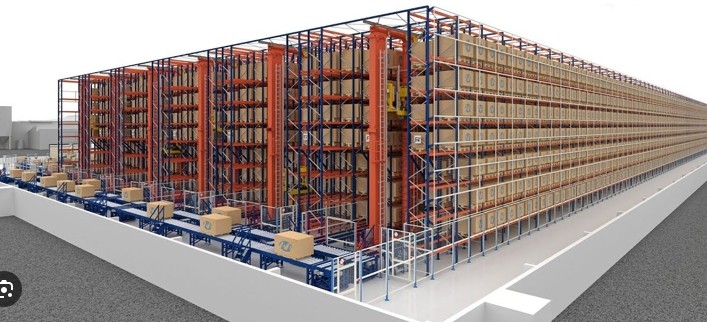
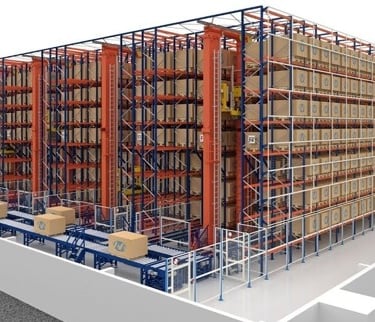
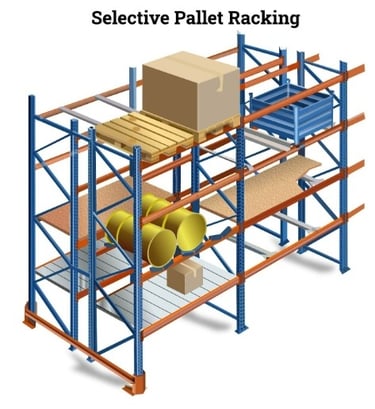
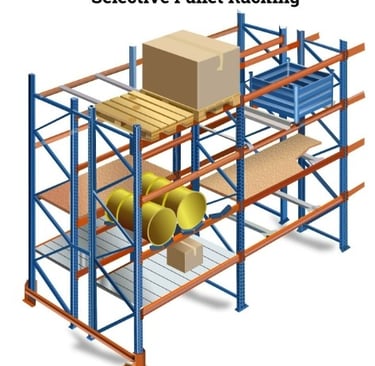
Selective Pallet Racking: This is the most common type, allowing direct access to each pallet. It's versatile and suitable for warehouses where different products need to be accessed frequently.
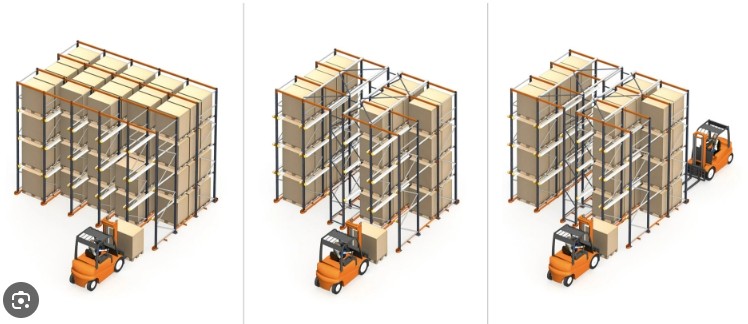
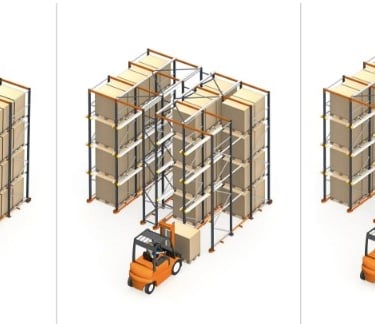
Drive-In Pallet Racking: In this system, forklifts can drive directly into the rack, allowing for dense storage of goods. It's ideal for warehouses with low turnover and large quantities of similar products.
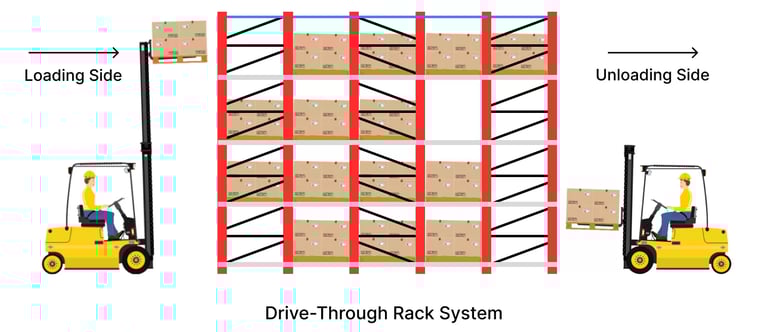
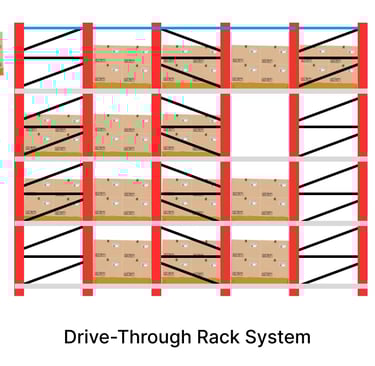
Drive-Through Pallet Racking: Similar to drive-in racking, but with entry and exit points at opposite ends of the rack. This allows for a FIFO (First In, First Out) inventory management system
Push-Back Pallet Racking: Pallets are loaded onto nested carts or rails, and when a new pallet is added, it pushes the existing pallets back. It offers high density and operates on a LIFO (Last In, First Out) basis.
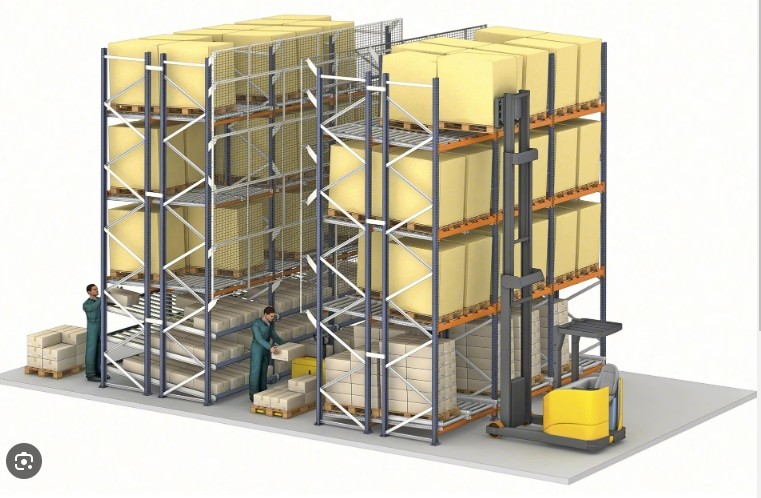
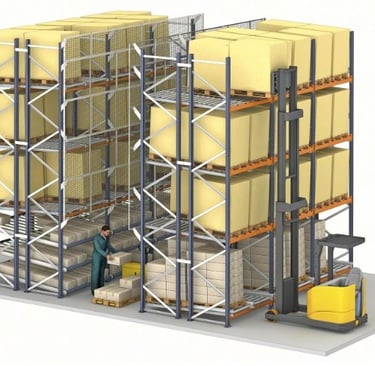
Pallet Flow Racking: Pallets are loaded on one side and flow down inclined rollers or wheels to the other side, utilizing gravity for movement. It's suitable for FIFO inventory management and high-density storage of perishable goods.
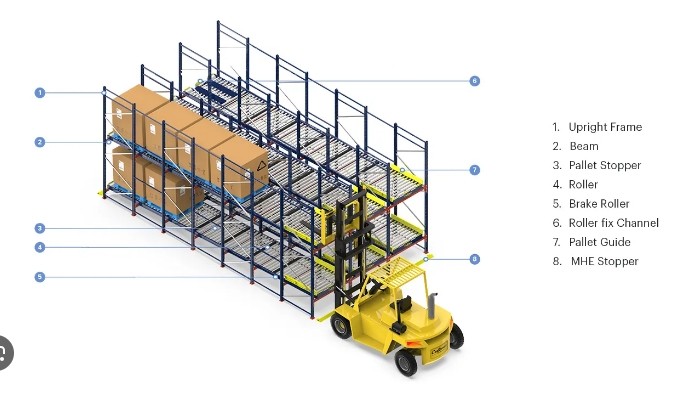
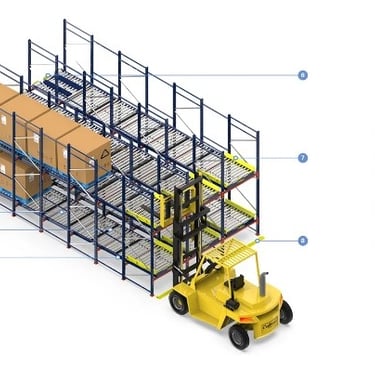
Cantilever Racking: This is used for storing long, bulky, or irregularly shaped items like pipes, lumber, or furniture. It consists of horizontal arms extending from a single vertical column, allowing for easy loading and unloading.
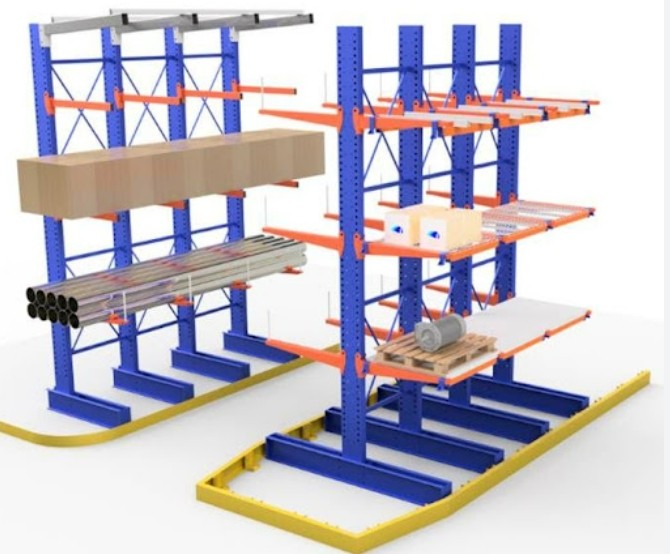
These systems vary in their efficiency, accessibility, and suitability for different warehouse layouts and inventory management strategies
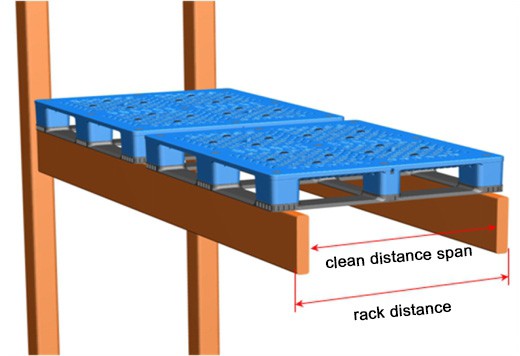
When choosing plastic pallets for various pallet racking systems, several factors should be considered to ensure compatibility and effectiveness. Here are some advice and points to keep in mind:
Load Capacity: Ensure that the plastic pallets have the necessary load capacity to support the weight of your products. Different racking systems may have different weight requirements, so choose pallets that can withstand the specific loads expected in your warehouse.
Dimensions: Select plastic pallets that fit well within the dimensions of your chosen racking system. The pallets should allow for efficient use of space while providing ample clearance for forklifts or other handling equipment to maneuver.
Compatibility: Consider the design and structure of the pallet racking system when choosing plastic pallets. Ensure that the pallets are compatible with the spacing of the racking beams, the depth of the racks, and any special features such as drive-in rails or flow channels.
Durability: Opt for high-quality plastic pallets that are durable and resistant to damage. They should be able to withstand the rigors of frequent use, including loading, unloading, and transportation within the warehouse environment.
Safety Features: Look for plastic pallets with features that enhance safety in the warehouse, such as anti-slip surfaces, reinforced corners, or built-in RFID tags for tracking and identification.
Hygiene and Cleanliness: Plastic pallets are often preferred for their cleanliness and resistance to moisture, mold, and pests. Choose pallets that are easy to clean and sanitize, especially if they will be used for storing food, pharmaceuticals, or other sensitive products.
Environmental Considerations: Consider the environmental impact of the plastic pallets, including their recyclability and potential for reuse. Look for pallets made from recycled materials or those that can be easily recycled at the end of their lifespan.
Cost: Evaluate the cost-effectiveness of the plastic pallets based on their initial purchase price, durability, and long-term maintenance requirements. While plastic pallets may have a higher upfront cost compared to wooden pallets, they often offer lower total cost of ownership over time due to their longevity and reduced maintenance needs.
By considering these factors when choosing plastic pallets for different types of pallet racking systems, you can ensure optimal performance, efficiency, and safety in your warehouse operations.
Welcome to contact me to talk more about the pallet-choosing problem.
Your trusted professional warehousing and packaging solutions provider
Contact
Support
+86 17663901932
© 2025. All rights reserved by QINGDAO XINYUE JIA PACKING MATERIAL CO., LTD