
How to choose plastic pallets for the pharmaceutical industry?
plastic pallets for the pharmaceutical industry
5/20/20252 min read
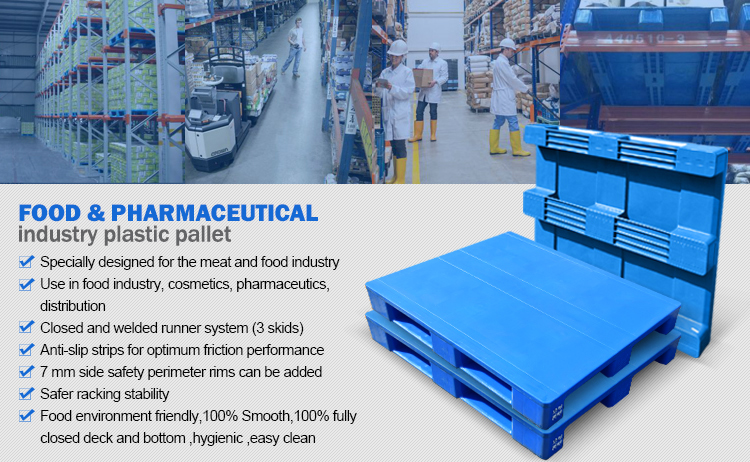
Choosing the right plastic pallet for the pharmaceutical industry involves considering several factors to ensure the safe and efficient transportation, storage, and handling of pharmaceutical products. Here are the steps you can follow:
Material and Compliance: Choose pallets made from high-quality, pharmaceutical-grade plastics that meet international standards such as FDA (Food and Drug Administration) and GMP (Good Manufacturing Practices). Look for pallets that are free from contaminants, chemicals, and toxins that could potentially interact with pharmaceutical products.
Hygiene and Cleanability: Opt for pallets with smooth surfaces and minimal crevices where dirt, dust, or contaminants could accumulate. Easy-to-clean designs are crucial to maintaining the required hygiene standards in pharmaceutical environments.
Weight Capacity: Consider the weight of your pharmaceutical products and ensure that the plastic pallets have the appropriate weight capacity to support the load. Pallets with higher weight capacities are essential for safely transporting heavy pharmaceutical shipments.
Dimensions and Compatibility: Choose plastic pallets with dimensions that are compatible with standard storage and transportation systems, such as racks, shelves, and shipping containers. This ensures efficient space utilization and minimizes the risk of damage during handling.
Durability and Longevity: Opt for plastic pallets that are durable and resistant to impacts, moisture, and temperature changes. This is especially important in pharmaceutical settings where products may be subjected to various environmental conditions during storage and transportation.
Stacking and Nesting: Select pallets that are designed for efficient stacking when loaded and nesting when empty. This helps save space during storage and return transportation, reducing overall logistics costs.
Static Control and Electrostatic Discharge (ESD): In pharmaceutical environments, where sensitive electronic equipment or products are handled, consider pallets with anti-static properties to prevent electrostatic discharge that could potentially damage products or equipment.
Racking Compatibility: If your pharmaceutical products require storage on racks, choose plastic pallets that are designed to be compatible with racking systems. Pallets with reinforced corners or specific load distribution features are ideal for rack storage.
Traceability and RFID Compatibility: Some pharmaceutical companies require tracking and tracing of products. Consider plastic pallets that are compatible with RFID (Radio-Frequency Identification) technology for improved inventory management and security.
Supplier Reputation: Purchase plastic pallets from reputable suppliers known for producing high-quality products that meet industry standards. Read reviews, ask for recommendations, and evaluate the supplier's experience in serving the pharmaceutical sector.
Customization Options: Some pharmaceutical operations might have specific requirements, such as unique sizes or additional features like labeling holders. Check if the plastic pallet supplier offers customization options to meet your specific needs.
Cost-Effectiveness: While quality is paramount, also consider the cost-effectiveness of the plastic pallets. Compare prices from different suppliers while keeping in mind the durability and longevity of the pallets.
By carefully considering these factors, you can choose plastic pallets that meet the stringent requirements of the pharmaceutical industry, ensuring the safe and efficient handling of your valuable pharmaceutical products.
Your trusted professional warehousing and packaging solutions provider
Contact
Support
+86 17663901932
© 2025. All rights reserved by QINGDAO XINYUE JIA PACKING MATERIAL CO., LTD