
How do you choose plastic pallets in different racking system designs?
#Racking plastic pallets #choose plastic pallets in different racking system designs
Catherine Ji
1/2/20252 min read
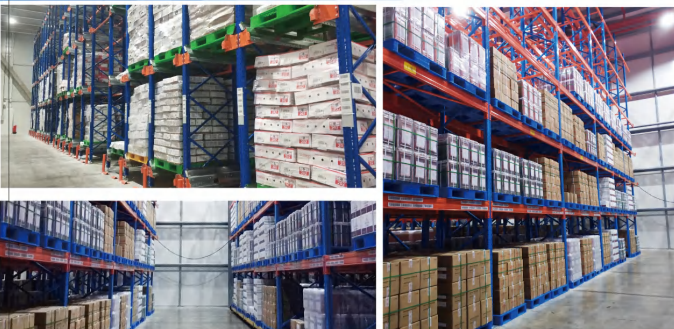
Choosing plastic pallets for different racking system designs involves considering several key factors to ensure safety, efficiency, and cost-effectiveness. Here’s a guide on how to select the right plastic pallets for various racking systems:
1. Understand Your Racking System
Different racking systems have unique requirements. The main types include:
- Selective Racking: The most common type, where each pallet is easily accessible.
- Drive-In/Drive-Through Racking: Designed for high-density storage with limited access aisles.
- Push-Back Racking: Uses inclined rails to push back the pallet in the same lane.
- Pallet Flow Racking: Uses gravity to move pallets on rollers or wheels.
- Cantilever Racking: Used for long or bulky items, such as pipes or lumber.
2. Load Capacity and Weight Distribution
- Static Load Capacity: The maximum load a pallet can support when at rest.
- Dynamic Load Capacity: The maximum load a pallet can support when being moved.
- Racking Load Capacity: The maximum load a pallet can support while placed in a racking system.
3. Pallet Design
- Open Deck vs. Closed Deck: Open deck pallets allow better air circulation and are lighter, while closed deck pallets provide a solid surface for smaller items.
- Bottom Configuration: Determines the stability on the rack. Common configurations include picture frame, cruciform, and runners.
4. Material and Durability
- Material: Most plastic pallets are made from HDPE (high-density polyethylene) or PP (polypropylene). HDPE is more impact-resistant, while PP is better suited for higher temperature environments.
- Durability: Consider the frequency of use and the conditions the pallets will face (e.g., temperature variations, humidity, chemical exposure).
5. Compatibility with Handling Equipment
Ensure the plastic pallets are compatible with forklifts, pallet jacks, and automated storage and retrieval systems (AS/RS).
6. Specific Racking System Considerations
Selective Racking:
- Pallet Size and Shape: Standard sizes such as 40"x48" are often used. Ensure the pallet fits securely on the beams.
- Racking Load: Pallets should have high racking load capacity to prevent sagging.
Drive-In/Drive-Through Racking:
- Durability: Pallets need to withstand repeated entry and exit of forklifts.
- Bottom Deck Design: Full perimeter bottom or cruciform base for stability.
Push-Back Racking:
- Nestable Pallets: To maximize space when not in use.
- Consistent Size and Shape: Ensure smooth operation on inclined rails.
Pallet Flow Racking:
- Smooth Bottom Surface: To ensure pallets move easily on rollers.
- Uniform Weight Distribution: Avoid skewing and jamming on the flow rack.
Cantilever Racking:
- Strength and Rigidity: To support long or bulky items without sagging.
- Size Compatibility: Ensure the pallet fits within the dimensions of the racking arms.
7. Additional Considerations
- Environmental Impact: Consider using recycled or recyclable plastic pallets to reduce environmental impact.
- Hygiene Requirements: For food and pharmaceutical industries, select pallets that are easy to clean and resistant to contaminants.
Conclusion
Selecting the right plastic pallet for your racking system is crucial for operational efficiency and safety. By considering the type of racking system, load capacity, pallet design, material durability, and compatibility with handling equipment, you can make an informed decision that best suits your needs.
Your trusted professional warehousing and packaging solutions provider
Contact
Support
+86 17663901932
© 2025. All rights reserved by QINGDAO XINYUE JIA PACKING MATERIAL CO., LTD